65 Years of Football, Friendship & Community.
From a group of 15-year-old schoolboys kicking a ball around behind a garage in 1946, to a thriving multi-team club at the heart of Manchester's Jewish community, this is the story of South Manchester Football Club.
65 Years of Football, Friendship & Community.
From a group of 15-year-old schoolboys kicking a ball around behind a garage in 1946, to a thriving multi-team club at the heart of Manchester's Jewish community, this is the story of South Manchester Football Club.
From Garage Kickabouts to Lynwood Athletic (1946–1949)
The story of South Manchester Football Club begins in 1946, with a group of 15-year-old schoolboys, many from Central High School, Manchester. Eager to play organised football, they gathered in a garage behind Mamlock House, forming a team that would change Jewish sport in Manchester forever.
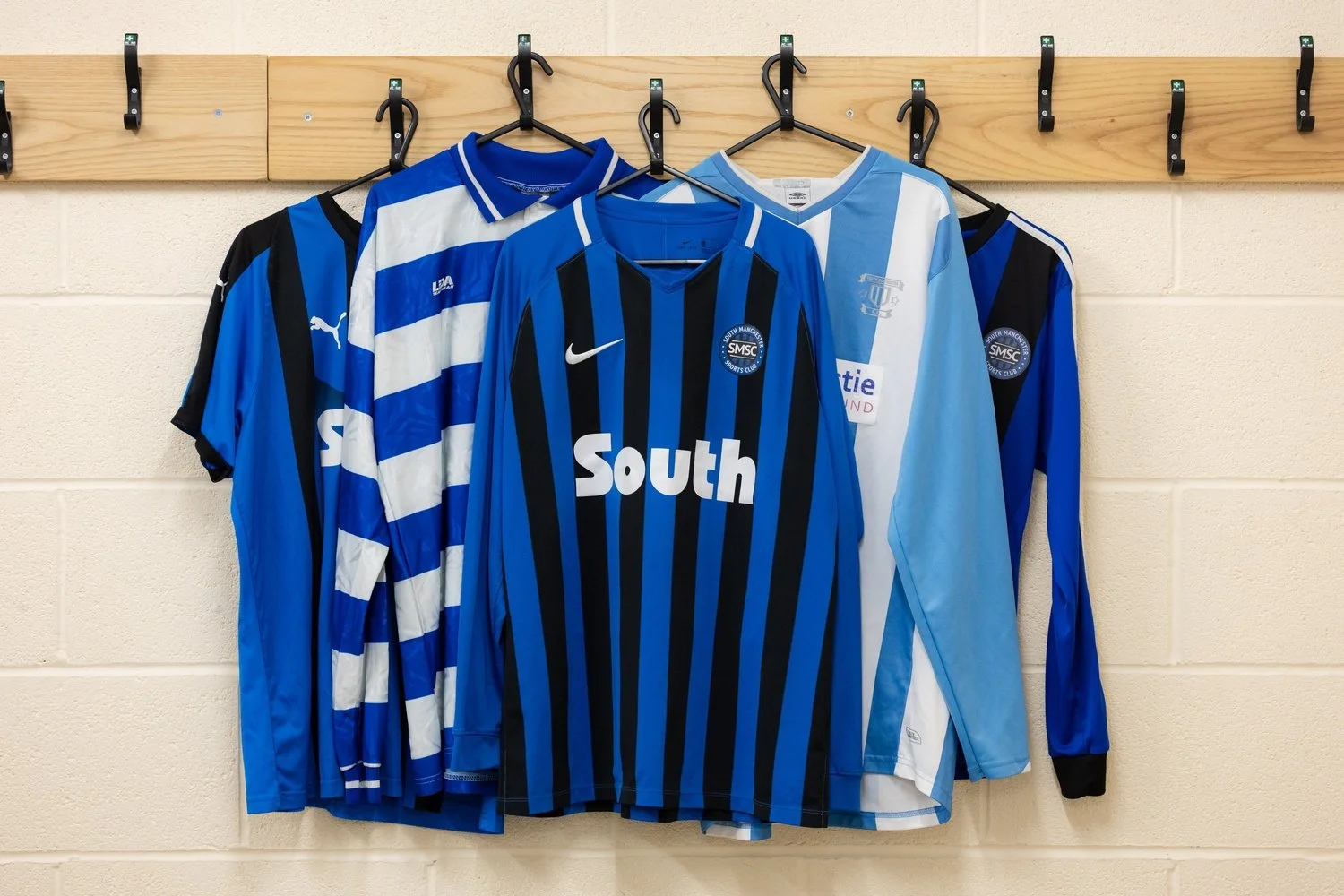
They initially played friendly matches across North Manchester before adopting a name. One of the boys spotted “Lynwood” carved on a nearby gatepost, and Lynwood Athletic was born. By 1948, they were one of the six founding clubs of the newly formed Manchester Jewish Soccer League, proudly wearing their black shirts with yellow sleeves.

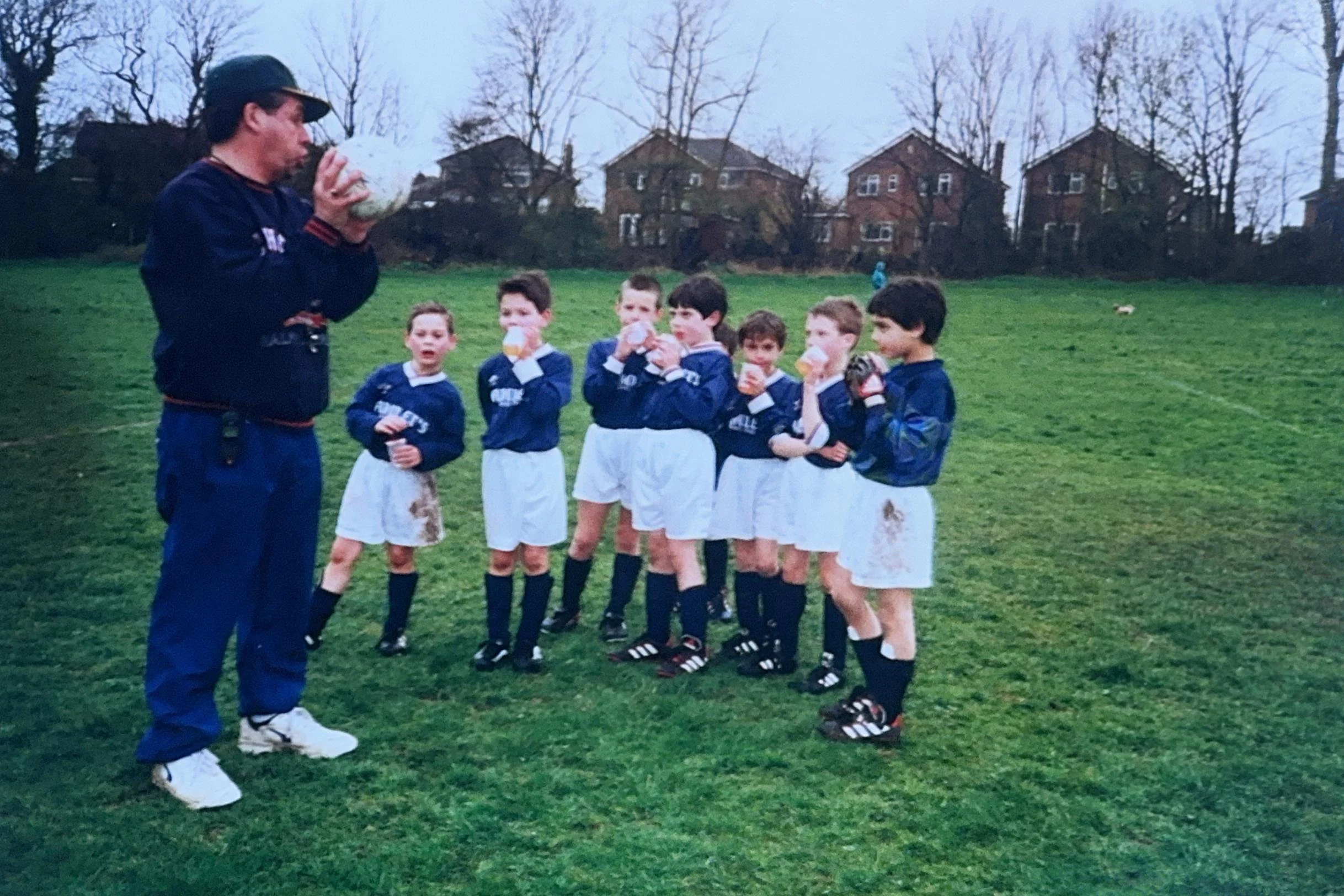
This isn’t just a football story. It’s a story about people, perseverance and a passion for the game that has spanned generations.
The Birth of South Manchester FC (1951–1953)
By 1951, many Lynwood players left for National Service or university, but the core group pushed forward, merging with the newly formed South Manchester Maccabi. This union marked the official birth of South Manchester FC, a club that would grow to become a pillar of community football.
Home games were played at Fog Lane Park, with players travelling by bus — cars were a luxury few owned. The club’s resilience was tested early; the second team often suffered heavy defeats, conceding goals in double figures. Yet their perseverance shone through: in their first MJSL season, they were awarded the trophy for “Most Sporting Team,” a sign of the values that would carry them forward.
Colours, Community and Growth (1950s–1960s)
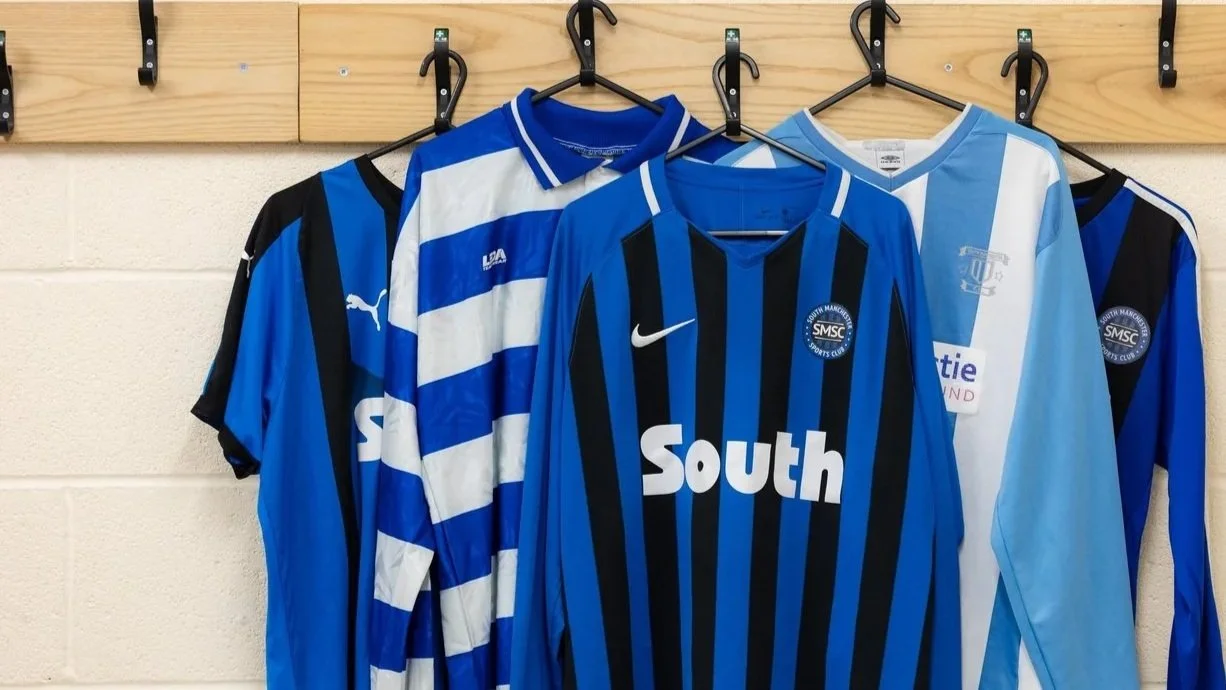
South Manchester’s identity evolved in the 1950s. The original black and yellow kits gave way to sky blue and white, chosen because most members supported Manchester City. Matches were played at Hough End Playing Fields, and visiting teams were welcomed with sandwiches and tea — lovingly prepared by players’ wives for the princely sum of 10 shillings (about 50p).
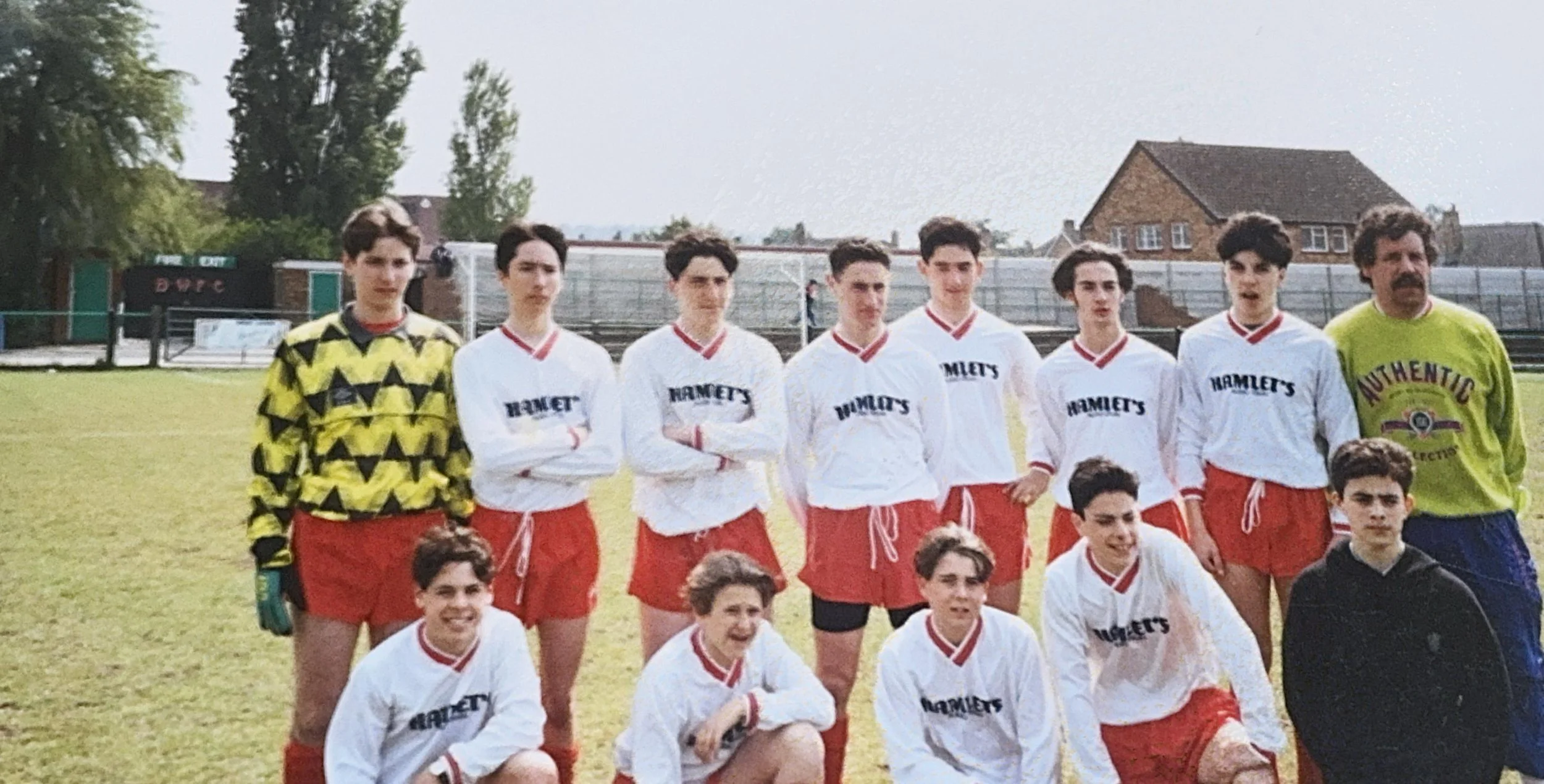
The 1960s saw the appointment of Steve Fleming, a Viennese refugee and bespoke tailor, as South Manchester’s first long-term manager. For nearly 40 years, Steve brought tactical expertise, discipline, and style — always seen in his trademark camel coat on the sidelines. His influence gave the club stability and ambition, nurturing a generation of players who would carry the team’s reputation far beyond Didsbury.

Expansion and Family Tradition (1970s–1990s
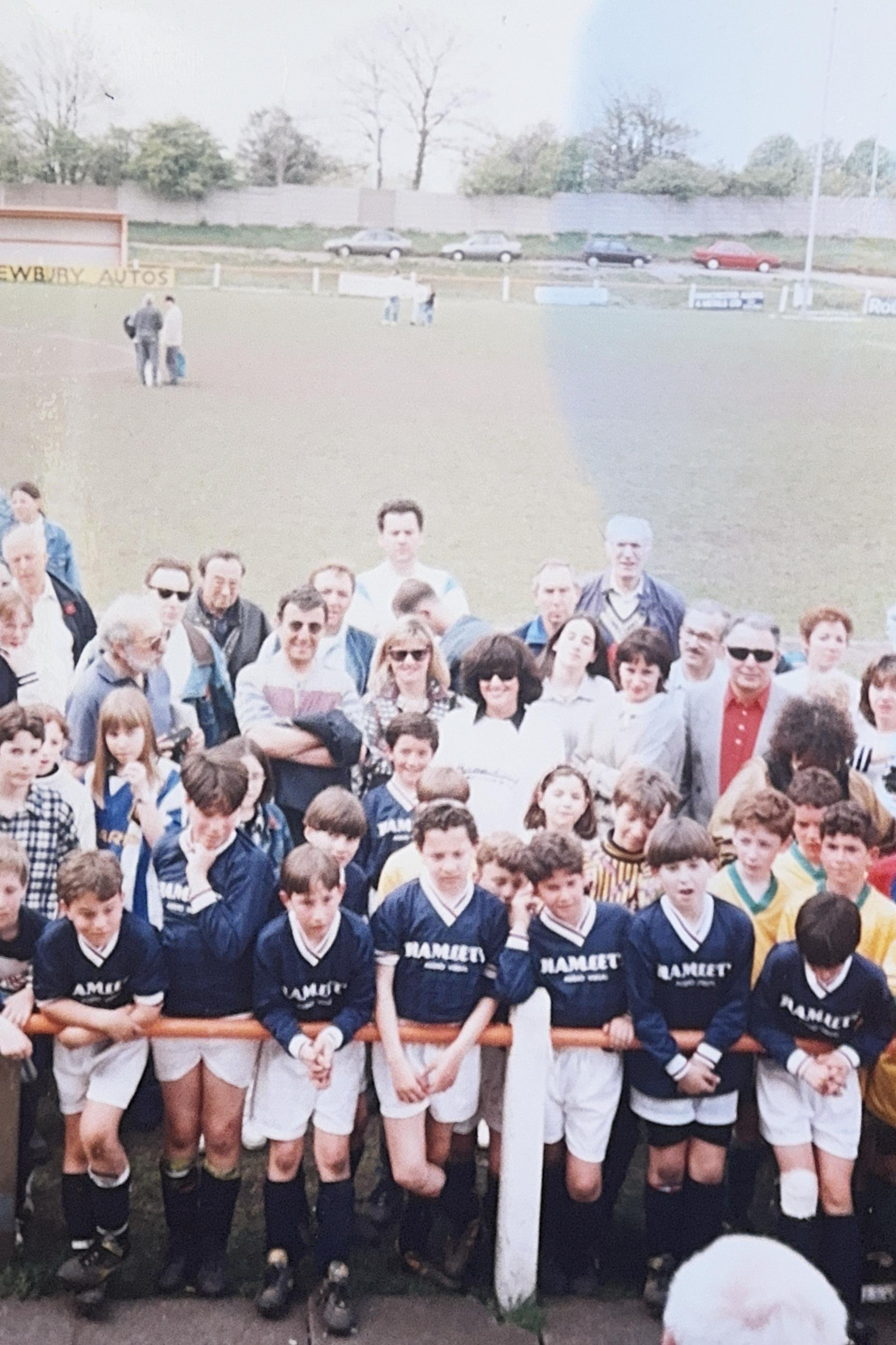
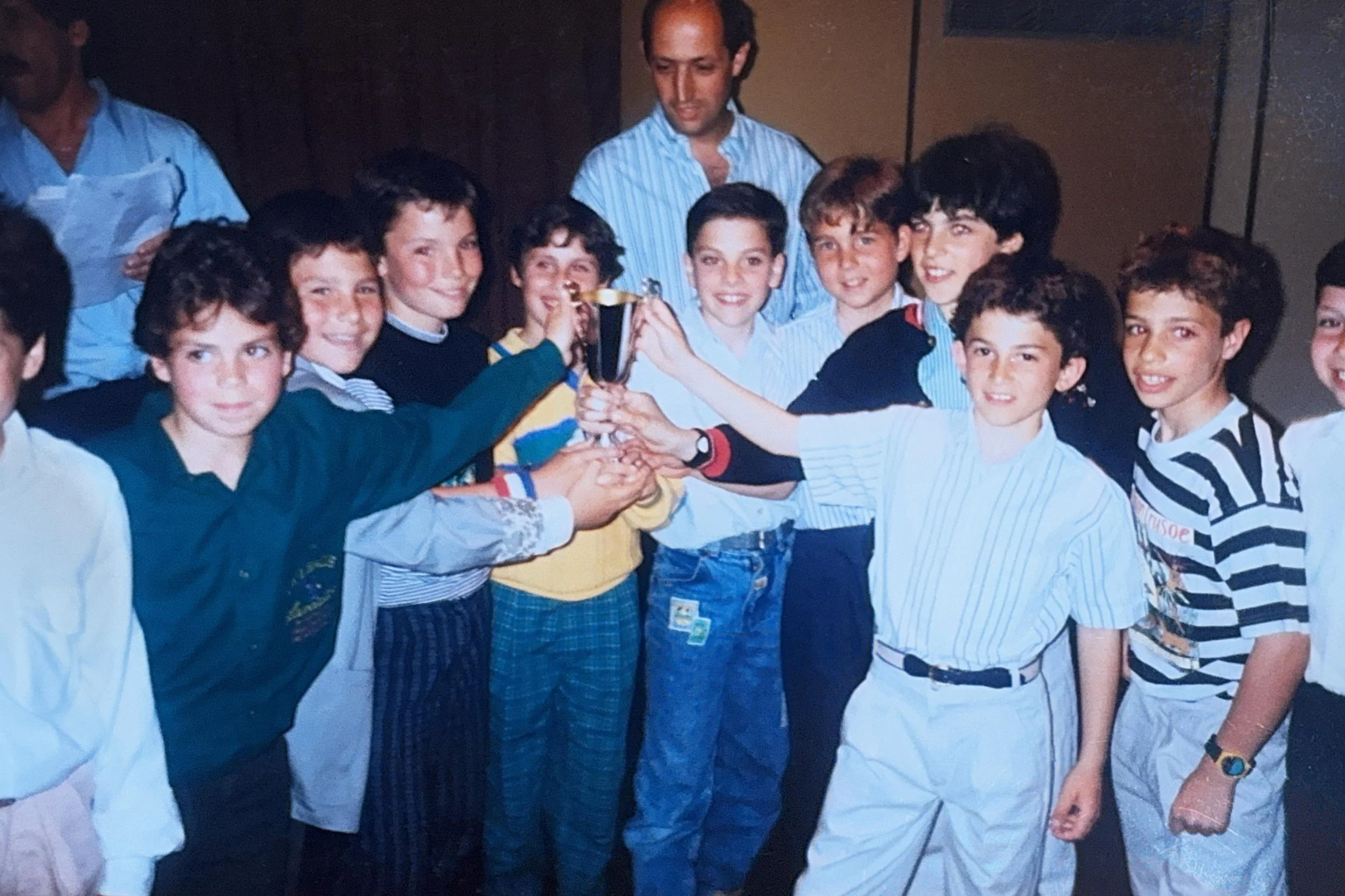
As the MJSL grew, South Manchester continued to expand. The 1970s brought entry into the City of Manchester Sunday League, providing tougher competition and new opportunities for the first team. At the same time, the club nurtured multiple junior teams, ensuring footballing pathways for children as young as six.
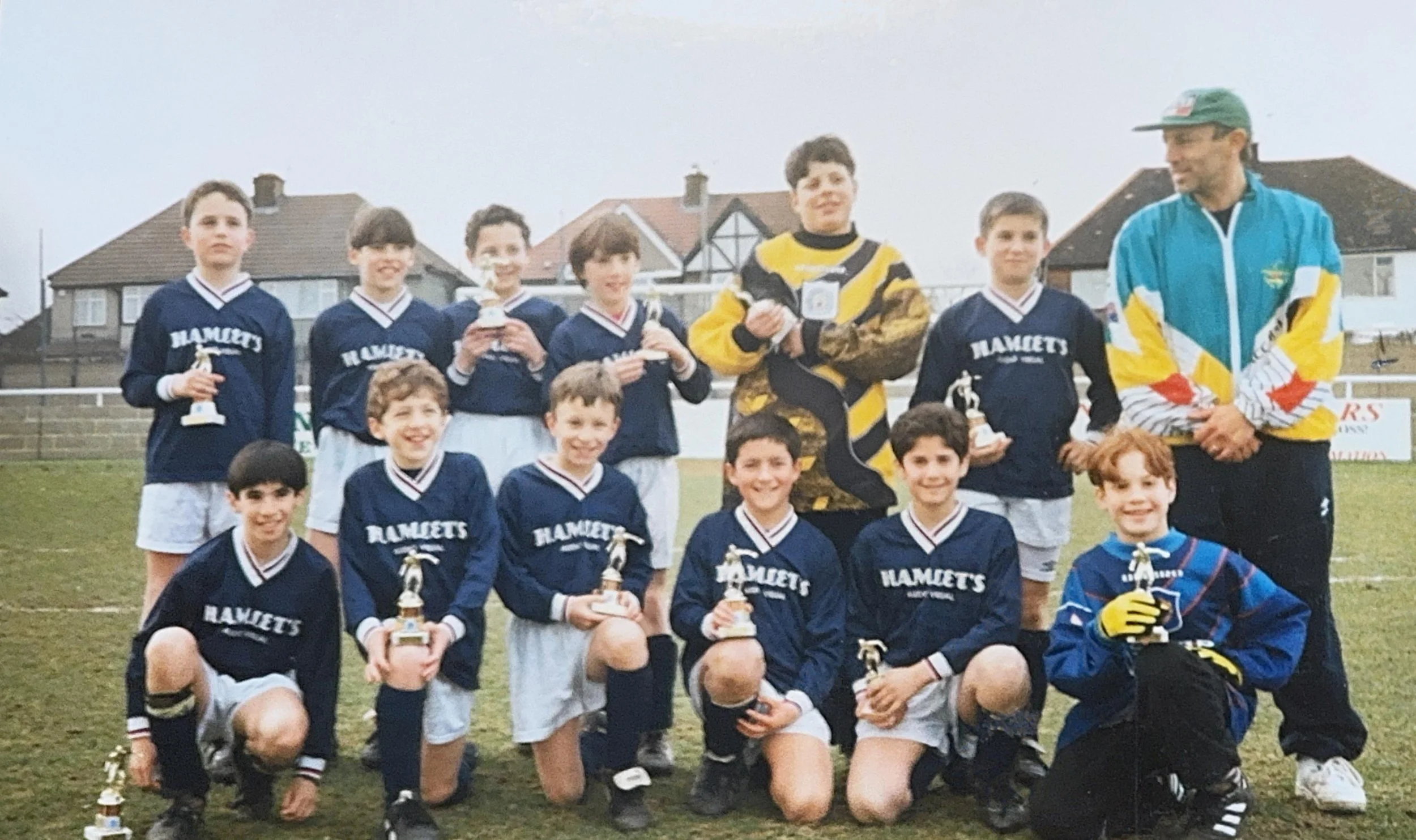
South Manchester became a family affair. Fathers, sons, and grandsons all pulled on the shirt across decades. Club legends like Danny Betesh and Ronnie Myers set high standards on the pitch, while volunteers and parents made sure the club thrived off it. By the 1980s, South Manchester was fielding as many as 16 teams across all age groups, catering for players from 6 to 50+.
This was also a period of resilience. As other Jewish clubs in South Manchester folded, South absorbed players and preserved opportunities for the community. The sense of loyalty and belonging became a defining trait — the club wasn’t just about football, but about family and continuity.
Building a New Home (1996–2011)
By the mid-1990s, the dream of a permanent home became a reality. Under the leadership of Neil Collins, along with Les Ormrod and Johnny Davis, the club embarked on a bold project: to build a dedicated sports centre for the community.
After 15 years of planning, fundraising, and sheer determination, the Henry Guterman Community Sports Centre opened in 2011. Costing £1.45 million, with major support from the Football Foundation and Sport England, the centre included 3G pitches, grass pitches, tennis courts, and modern facilities. Named in memory of Henry Guterman, a respected community leader, the centre became not only South Manchester’s home, but a hub for Jewish and local football in the wider community.
Charity and community
South Manchester Sports Club today
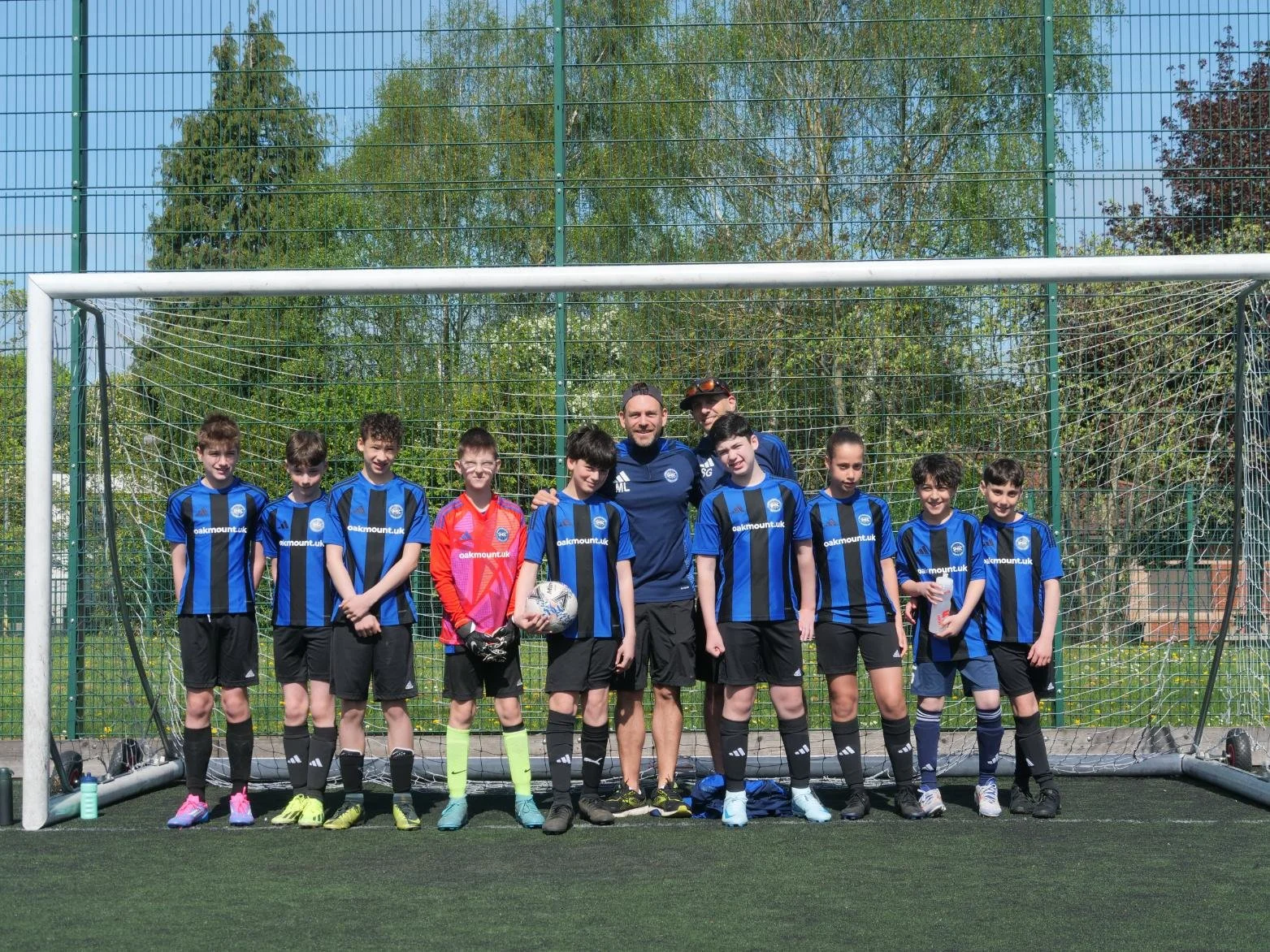
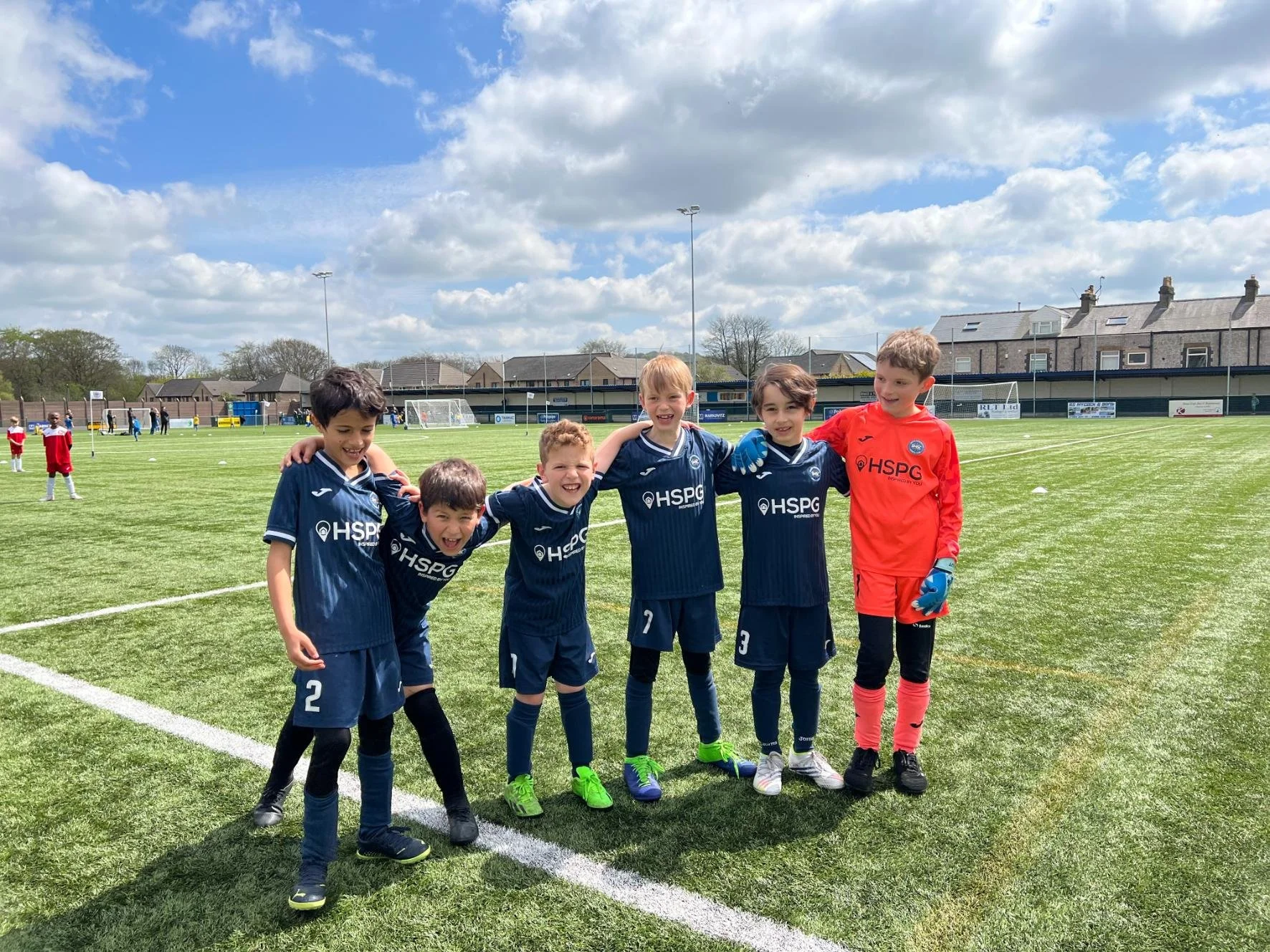
Today, South Manchester Sports Club is thriving. We field competitive teams across senior and junior leagues, from the Manchester Accountants League to the Timperley and District Junior League. Youngsters as young as six join the club, learning the game under expert coaches while developing confidence, teamwork, and friendships that last a lifetime.
We are proud of our tradition of producing players who represent Great Britain at the Maccabiah Games, and equally proud of the youngsters who simply discover a love of the game at Hough End.
Our strength lies in our community spirit. From sandwiches and tea in the 1960s, to international tournaments in the 2000s, South Manchester has always been about more than football. It is about belonging, about loyalty, and about carrying forward a story that began in a small garage in 1946.
The next chapTer
Now in our seventh decade, South Manchester continues to grow. With strong leadership, modern facilities, and a dedicated community of players, parents, and volunteers, the future is bright.
Our history is still being written — and whether you’re pulling on the blue-and-black stripes, cheering from the touchline, or volunteering behind the scenes, you are part of it.
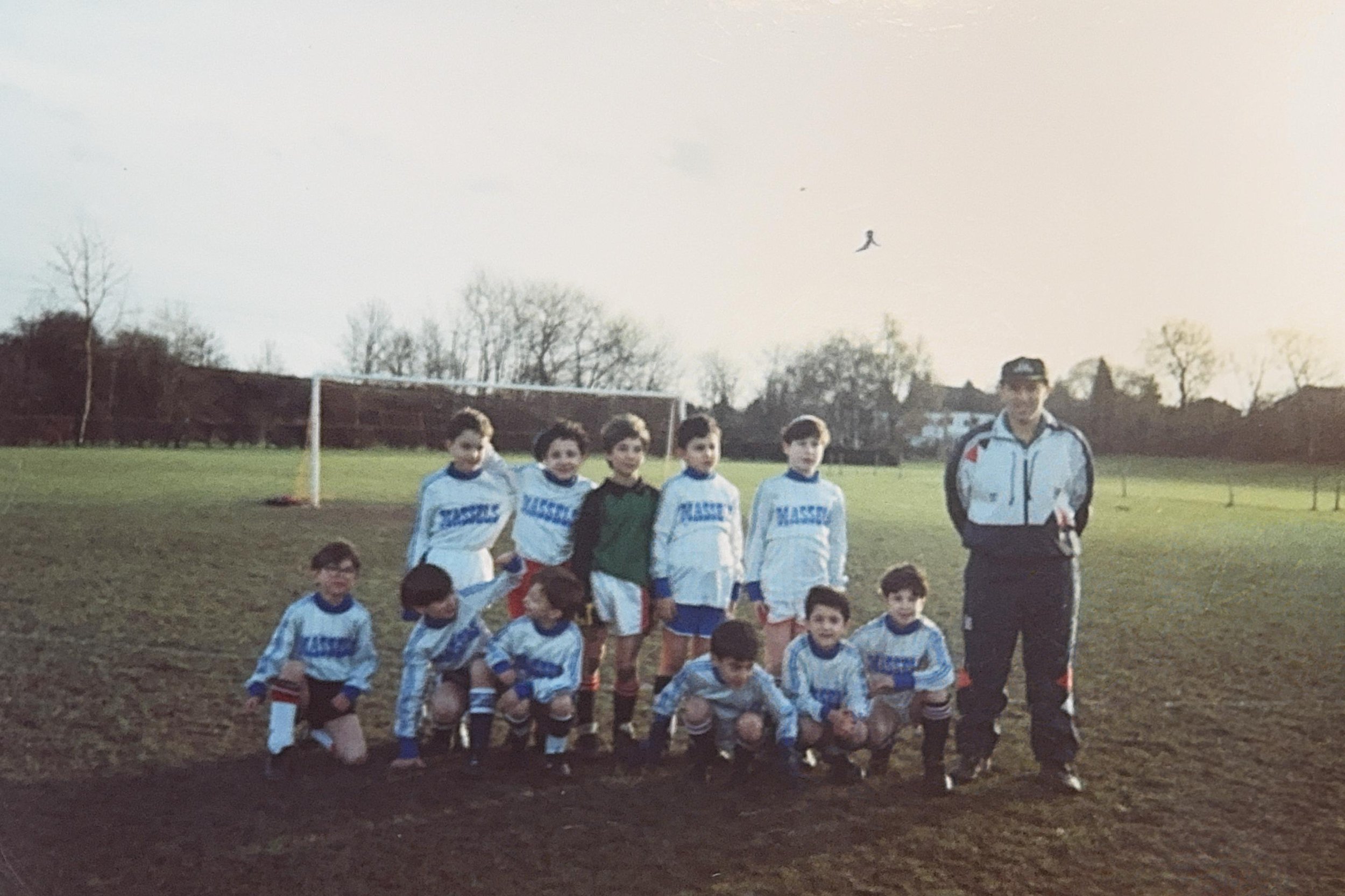
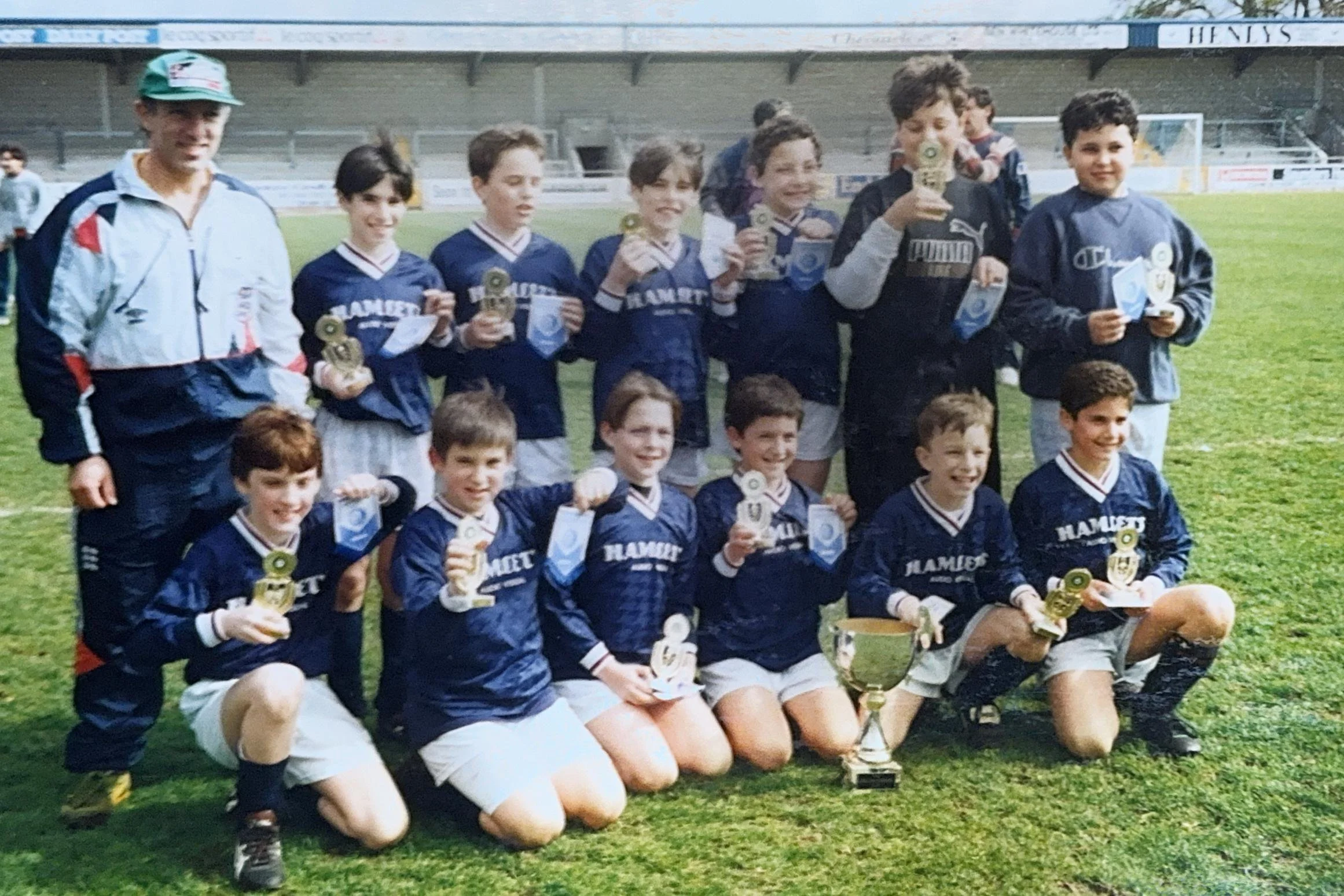
Over the years, South Manchester Sports Club has supported the local community and causes, including a £10,000 donation to the Christie Charity, supporting the young adult and teenager unit.